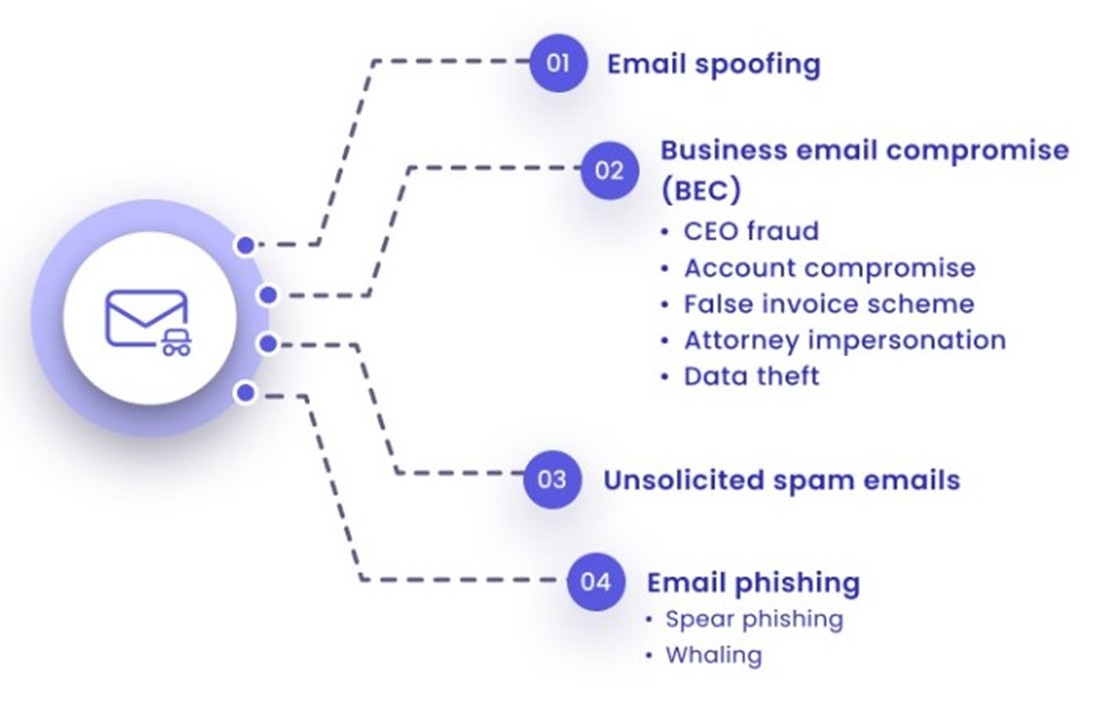
4 types of Email Threats

Email Spoofing

Email Spoofing is the technique of modifying email headers, with the aim of impersonating the identity of the sender, masking the domain of the email and thereby pretending to deceive the recipient, making him think that the email comes from a reliable source.

The objective of this type of attack is to obtain personal data such as passwords, credit card numbers, among others. Downloadable files are mainly attached to emails, in which Trojan or malware-like files are hidden, which can be harmful to the hardware from which the email is opened.

Phishing attack

Phishing is a type of social engineering attack often used to steal user data, including login credentials and credit card numbers. It occurs when an attacker, masquerading as a trusted entity, dupes a victim into opening an email, instant message, or text message. The recipient is then tricked into clicking a malicious link, which can lead to the installation of malware, the freezing of the system as part of a ransomware attack or the revealing of sensitive information.

An attack can have devastating results. For individuals, this includes unauthorised purchases, the stealing of funds, or identity theft.

Moreover, phishing is often used to gain a foothold in corporate or governmental networks as a part of a larger attack, such as an advanced persistent threat (APT) event. In this latter scenario, employees are compromised in order to bypass security perimeters, distribute malware inside a closed environment, or gain privileged access to secured data.

An organisation succumbing to such an attack typically sustains severe financial losses in addition to declining market share, reputation, and consumer trust. Depending on scope, a phishing attempt might escalate into a security incident from which a business will have a difficult time recovering

Email security best practices


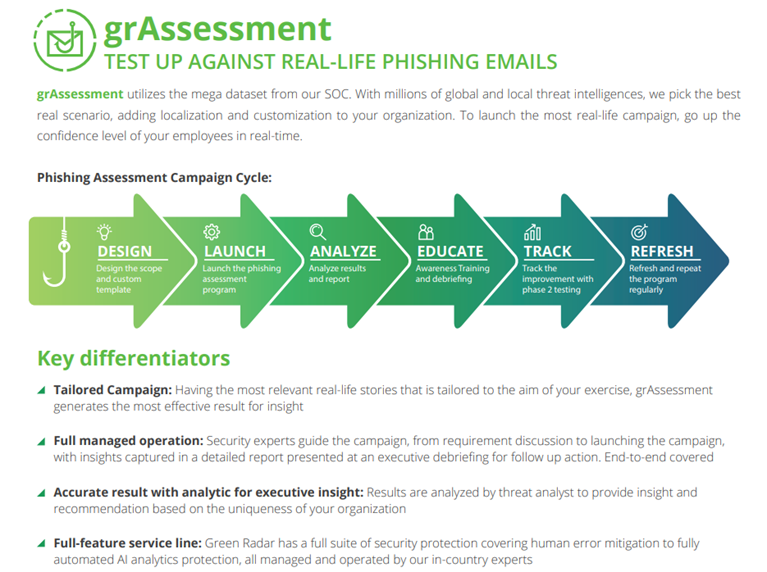
  • ■Educate employees with periodic training to minimise the risk of human error and ensure that employees understand the importance of email security.
  • ■Invest in user awareness training so users can learn how to recognize the signs of a phishing attack and other indicators of malicious intent.
  • ■Upgrade to an email security solution that provides advanced threat protection.
  • ■Implement multi factor authentication (MFA) to prevent account compromise..
  • ■Review protections against business email compromise attacks through methods like spoofing and impersonation.

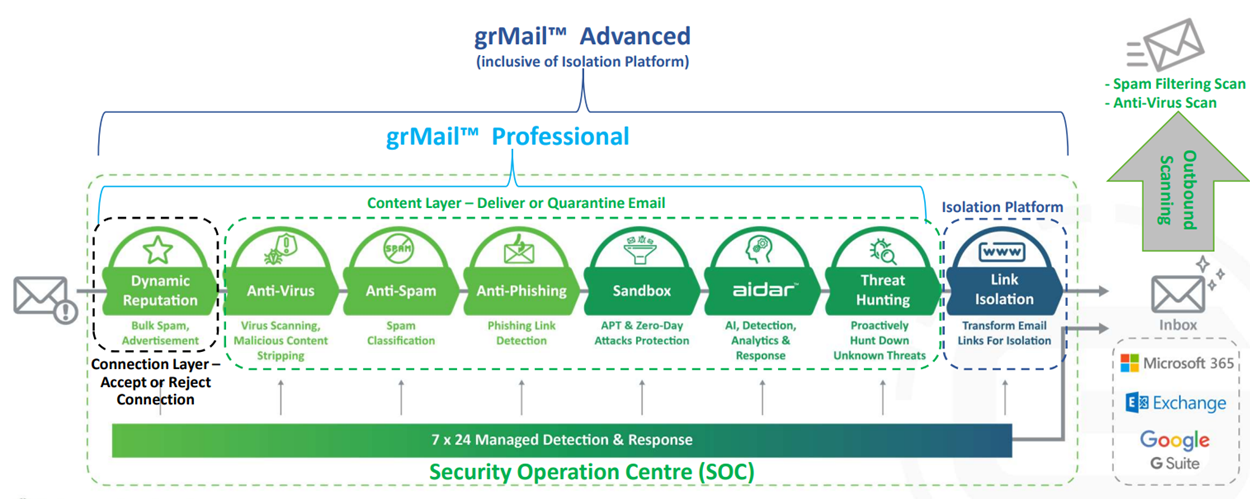
is a next generation cloud-based email security platform with artificial intelligence capability, to discover any unprecedented email threats. The primary aim is to maximise client’s business productivity, to minimise downtime by using unified AI & human monitoring SOC and behavioural detection engines.

Copyright © 2023 Syberhub. All Rights Reserved.